


Bridging differences in Society
Overcome polarisation, build community. Through dialogue
How to bridge divides?
intervene constructively,
make use of the existing tensions,
empower voices,
invite listening,
create understanding and community.
Transform a diverse neighborhood into a place where all feel safe, valued, and where all contribute
What does this ask from the municipality?
From the neighborhood?
And from us?
From tension to trust — how does a dialogic intervention work?
'Never waste a good crisis.'
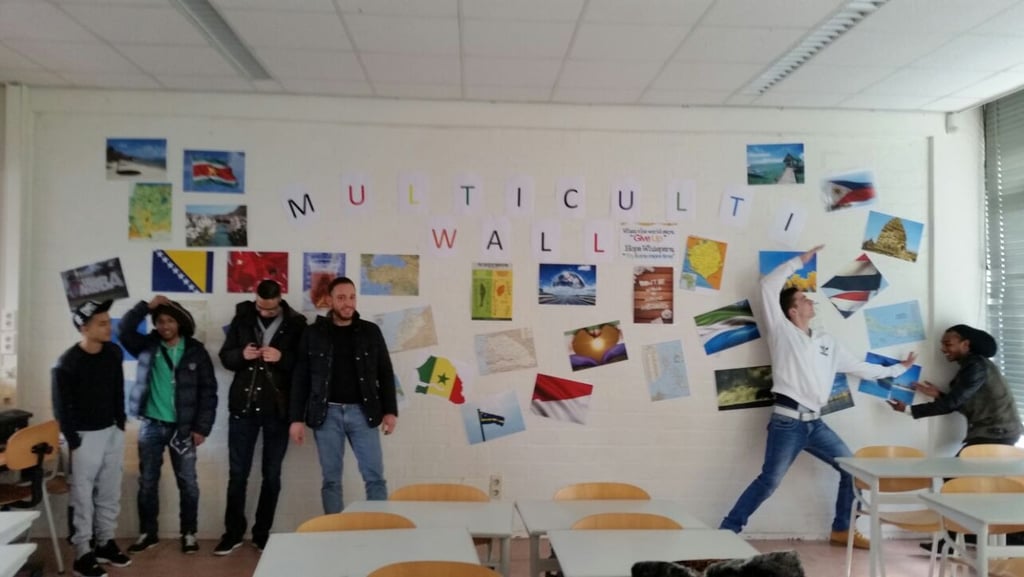
in our current day society we face serious challenges which ask pro-active attention. Different cultural backgrounds meet and don't understand each other automatically.
Multi ethnic When tension rises in a neighborhood, it’s also a chance. This disturbance can become the moment when people are close to realising it is time to talk. We have over 10 years of experience of designing and executing dialogic interventions in tense, polarised neighborhoods.
We are there to help. Please also see here how we learned through practice what works and what doesn't:
Example of an intervention process:
1. Align with the municipality: city authorities, social workers, and police.
Form a project team. Co-design an approach that is supported and sustainable.
Social workers join in a train-the-trainer model. Learning the dialogue method hands-on. This can help them provide follow-up.
2. Walk the streets: meet the groups in conflict — street youth vs elders, different ethnic groups, or police vs youngsters. Listen, hear their concerns. First step to trust. Invite them into dialogue, backed by the municipality's commitment.
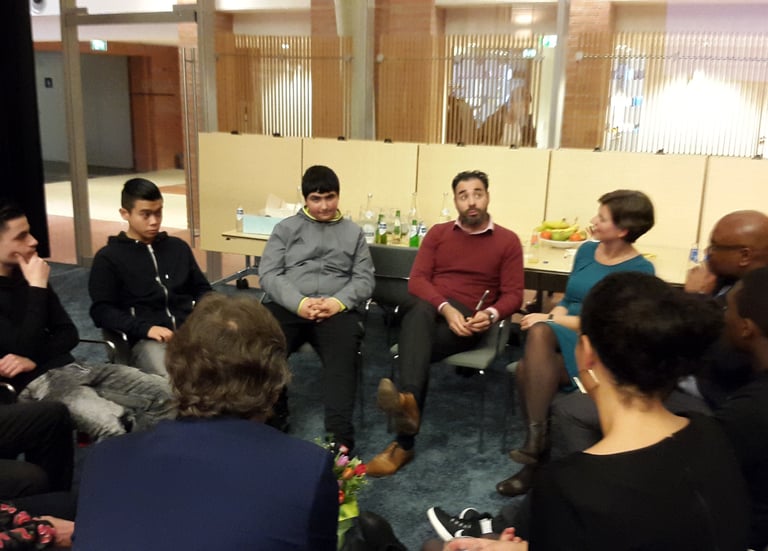
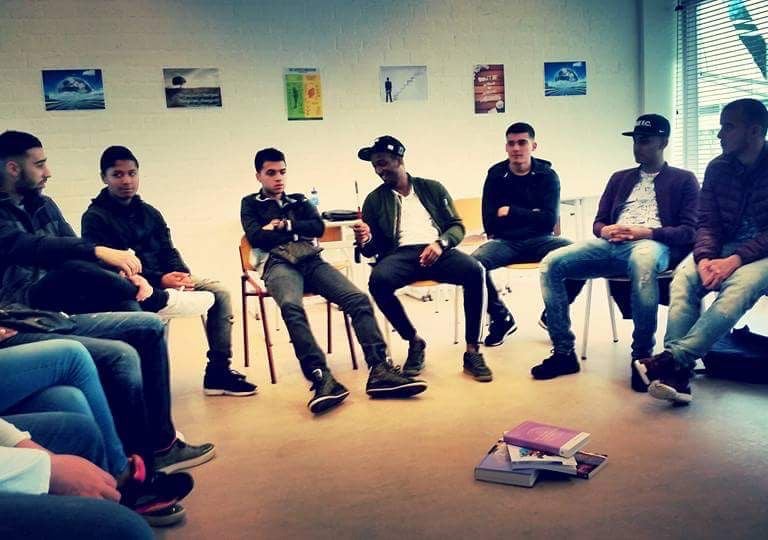
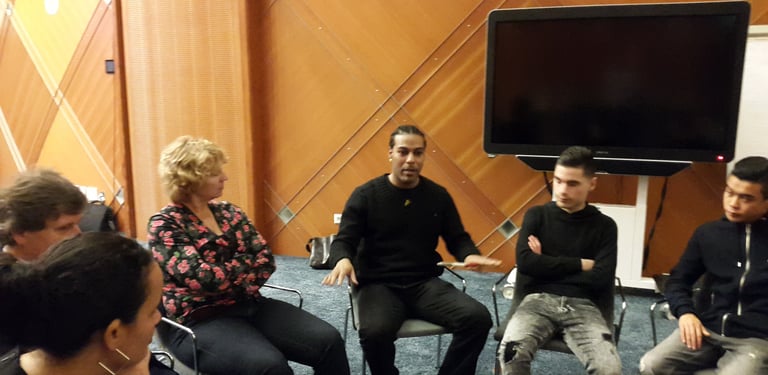
3. Dialogue in own circles: Each group first meets separately — a safe space to “empty the bucket,” share openly, and find more nuance. Grow trust in dialogue: experience the depth, and its non-violent character.
4. Progress check with project team.
See where extra attention/support/engagement/adjustment is needed.
5. Whole-system dialogue: The groups and other parties involved are invited for a whole-system dialogue: youth, elders, police, entrepreneurs, social workers, and local authorities. A process of connecting and co-creating.
1st Respectfully share perspectives and fears. Recognise shared hopes and dreams. Beyond polarisation.
2nd In this growing connection, guide a process of envisioning and co-creation. Connect further on a shared vision for the neighbourhood. 'What could be'.
Come to a new 'social contract' for the neighbourhood, including shared concrete initiatives that enliven it. The municipality is there to endorse the outcome. Social workers and police are there to pick up their role in the follow-up.
6. Follow-up coaching of the social workers and the local police force.
Dialogic neighbourhood intervention